
di Luca Axel D'Urso
Lasciata alle spalle la Florida, di cui vi ho raccontato nella tappa precedente, ci dirigiamo verso Savannah, la città più antica della Georgia e sua prima capitale.
Il viaggio verso la Georgia è molto interessante. Il paesaggio cambia: meno palme, più alberi di bosco, e sulle chiome di alcuni si intravede già il foliage, con contrasti di colore bellissimi.
Decidiamo di abbandonare l'autostrada, dritta, noiosa e tutta uguale, per perderci sulle strade che collegano i paesi. Gli Stati Uniti che stiamo vivendo sono così: lande infinite e piene di vegetazione, attraversate da strade che collegano villaggi a volte fatti di quattro o cinque case sparse lungo il bordo della strada. In Europa siamo abituati a piccoli agglomerati, a paesi che hanno almeno un alimentari, un bar, qualche spazio dove ritrovarsi. Qui abbiamo visto tanti villaggi che non sono altro che una manciata di case, anche abbastanza distanti tra loro.
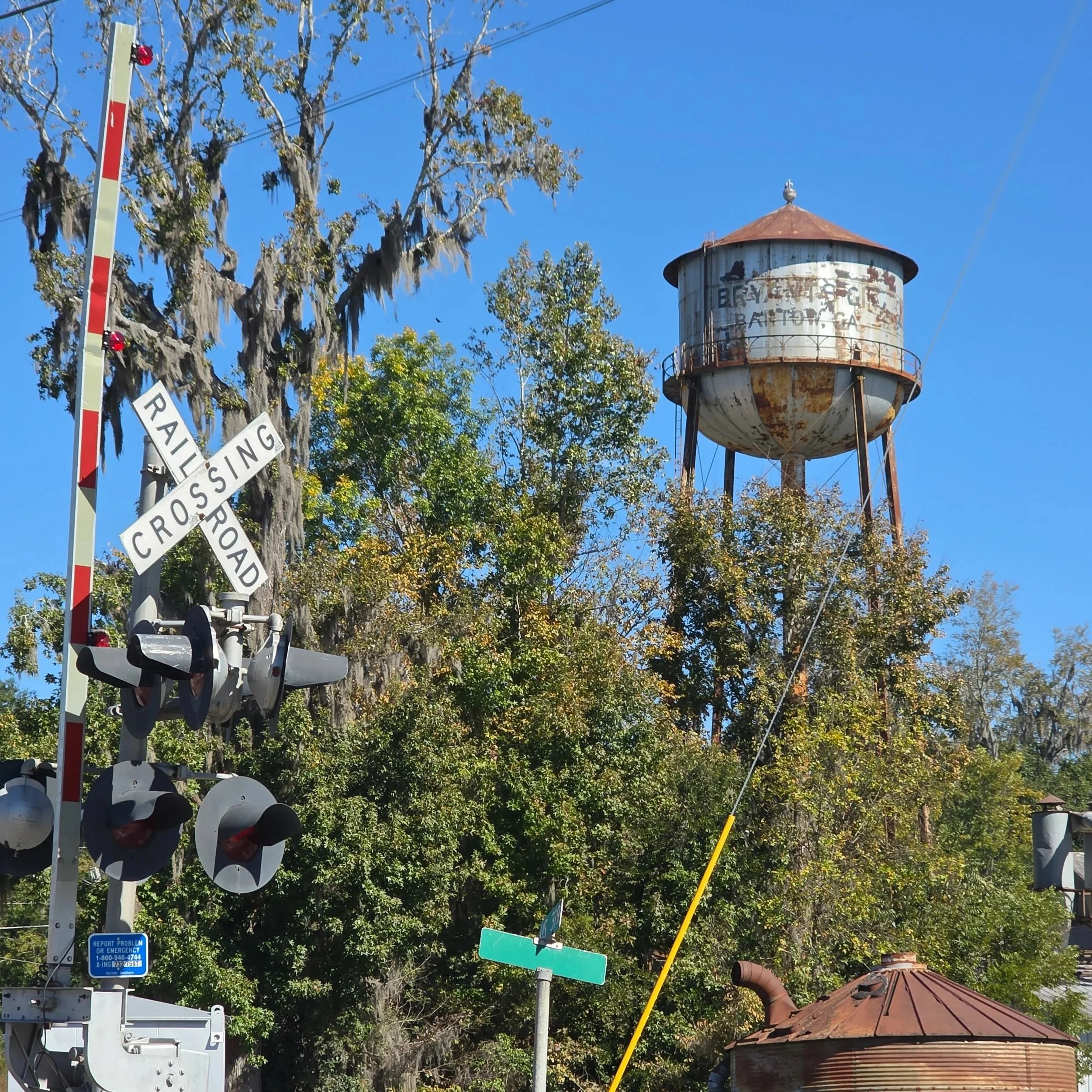
All'orizzonte, mentre viaggiamo col camper, compaiono i serbatoi d'acqua sopraelevati, alcuni ridipinti, altri arrugginiti. Oltre al peso dell'acqua portano il peso degli anni che passano. Sono scenografici: ci ricordano l'America di Hollywood che abbiamo visto sullo schermo da bambini o crescendo. Ci fanno un effetto romantico, particolare. Libertà.
Il villaggio lungo la ferrovia
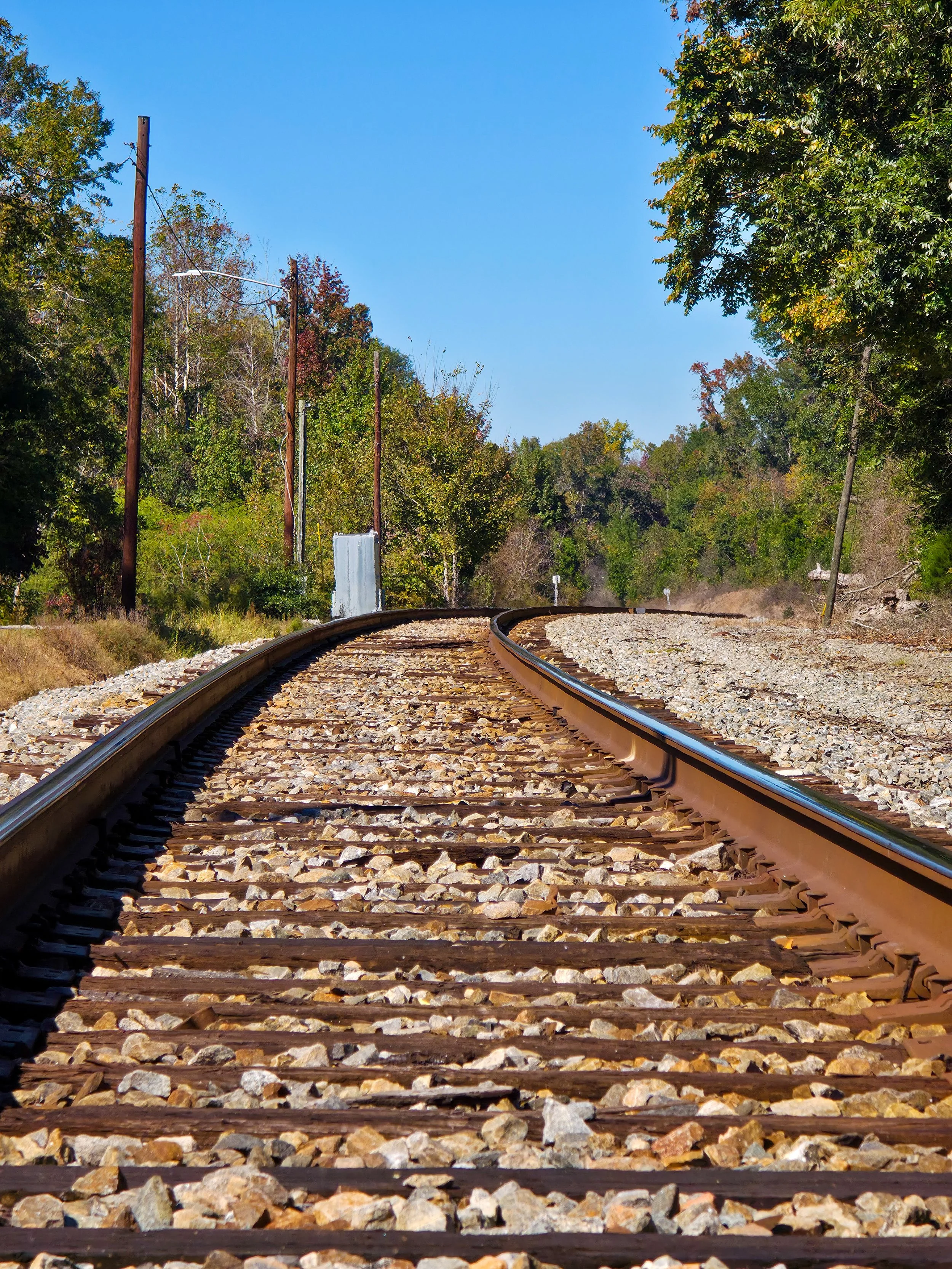
Ci fermiamo a Bartow, un villaggio sulla strada per Savannah. Sul serbatoio si legge ancora "Bryant's Gin": è il nome della sgranatrice di cotone del villaggio, che lavora accanto alla ferrovia da circa un secolo. Facendo una piccola ricerca, ho scoperto che Bartow nel 2020 contava appena 186 abitanti. Oltre al serbatoio d'acqua, ad attirare la nostra attenzione è una lunga ferrovia, quasi in disuso, che costeggia vecchi edifici di mattoni rossi con i tetti di legno, un tempo probabilmente governativi.
Parcheggiamo il camper e camminiamo lungo i binari. Incontriamo una schiera di edifici a un solo piano, uno attaccato all'altro, affacciati sulla ferrovia: uno era un bar, un altro doveva essere un negozio. Dentro il bar è tutto distrutto, le travi sono cadute, ma c'è ancora un vecchio jukebox dell'epoca, che trasmette quella sensazione di festa che un tempo si poteva vivere in quel locale. Ricorda molto l'immagine del Far West. Accanto c'è l'ufficio postale, con l'insegna ancora al suo posto. L'unico edificio in funzione, in questa fila di case abbandonate, è una banca ristrutturata.
Tornando al camper parliamo con un anziano che vende frutta e verdura. È un veterano: ha servito nell'esercito per vent'anni, poi si è ritirato qui, in un villaggio pieno di calma e tranquillità. Ci racconta che dopo la grande crisi del 1929 il villaggio ha perso la gloria di un tempo, quando era un passaggio fondamentale per i treni merci diretti al porto di Savannah.
Il primo cotone
Riprendiamo la strada verso il campeggio, una fattoria di cavalli e pony a un quarto d'ora dal centro di Savannah. Lungo la strada compaiono i primi campi bianchi, immensi, a perdita d'occhio. Lo stupore è grande: è il primo cotone che incontriamo.
Il cotone lo indossiamo tutti i giorni, fa parte della nostra vita quotidiana. Su questa terra però prende un significato completamente diverso, perché ci ricorda tutto il male che esseri umani hanno inflitto ad altri esseri umani: la storia, appunto, della schiavitù.
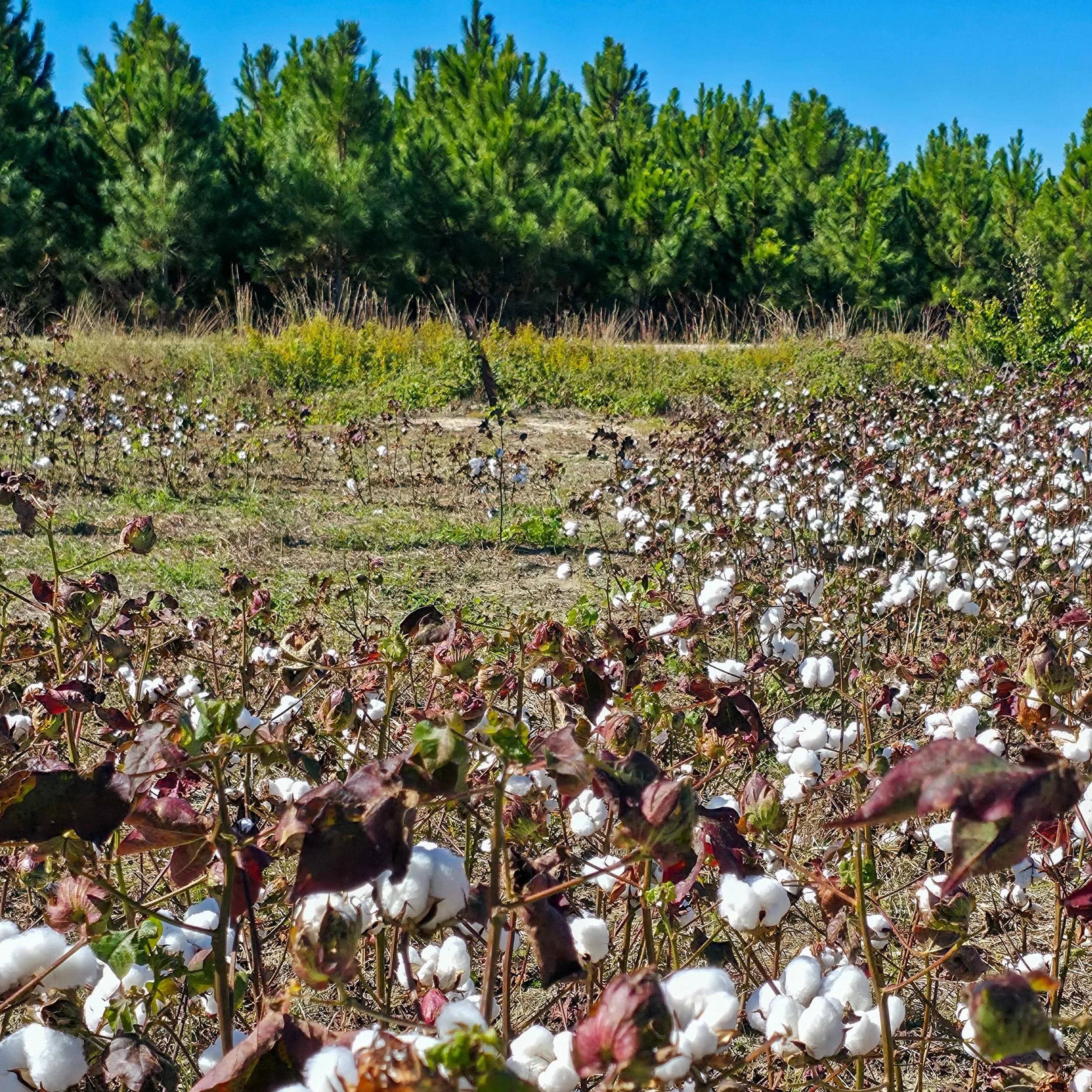
Ci fermiamo per toccarlo con mano, questo cotone passato per mani meno fortunate delle nostre, costrette dall'avidità di altri a raccoglierlo sotto il sole cocente, nel freddo tagliente o sotto la pioggia incessante. Al tatto è così soffice che verrebbe voglia di mangiarlo. È difficile pensare che una pianta così soffice abbia portato, per le scelte dell'uomo, così tanto dolore. Allo sguardo richiama subito alla mente la macchia indelebile della schiavitù.
Risaliamo sul camper e arriviamo al campeggio, Red Gate Farms. Fantastico: pace, cavalli, asini, caprette, verde e un braciere per il fuoco. Sopra di noi querce enormi, da cui pende il muschio spagnolo. Nonostante il nome, non è un muschio: è una pianta della stessa famiglia dell'ananas, le bromeliacee. Non ha radici e non è un parassita: si appoggia ai rami e assorbe acqua e nutrimento direttamente dall'aria e dalla pioggia. La prima serata si chiude così, intorno a un falò.
Savannah
Il giorno dopo ci alziamo per una giornata dedicata al lavoro in remoto. O meglio, che dovrebbe essere dedicata allo smart working, perché la giornata inizia con una consapevolezza importante: senza una buona connessione internet, mandare avanti i nostri lavori a distanza è praticamente impossibile.
Forse per la prima volta in questo viaggio ci scontriamo con la realtà di chi lavora in smart working: la dipendenza dalla connessione. Lungi da me volermi lamentare. Ho la fortuna di scrivere questo blog dagli Stati Uniti, da un campeggio, durante una sosta di questo road trip. Allo stesso tempo devo ammettere che la mattina di cui vi sto scrivendo è stata davvero frustrante. La consapevolezza di buttare via tempo per una mancanza di organizzazione personale, di perdere tre ore per un lavoro che ne richiederebbe mezza, sapendo per di più a cosa stai rinunciando fuori dallo schermo del computer: natura, passeggiate, aria fresca, esperienze indimenticabili. Ti brucia, ti dà fastidio, ti lascia addosso frustrazione.
È stata la prima volta, e proprio per questo è stata interessante.
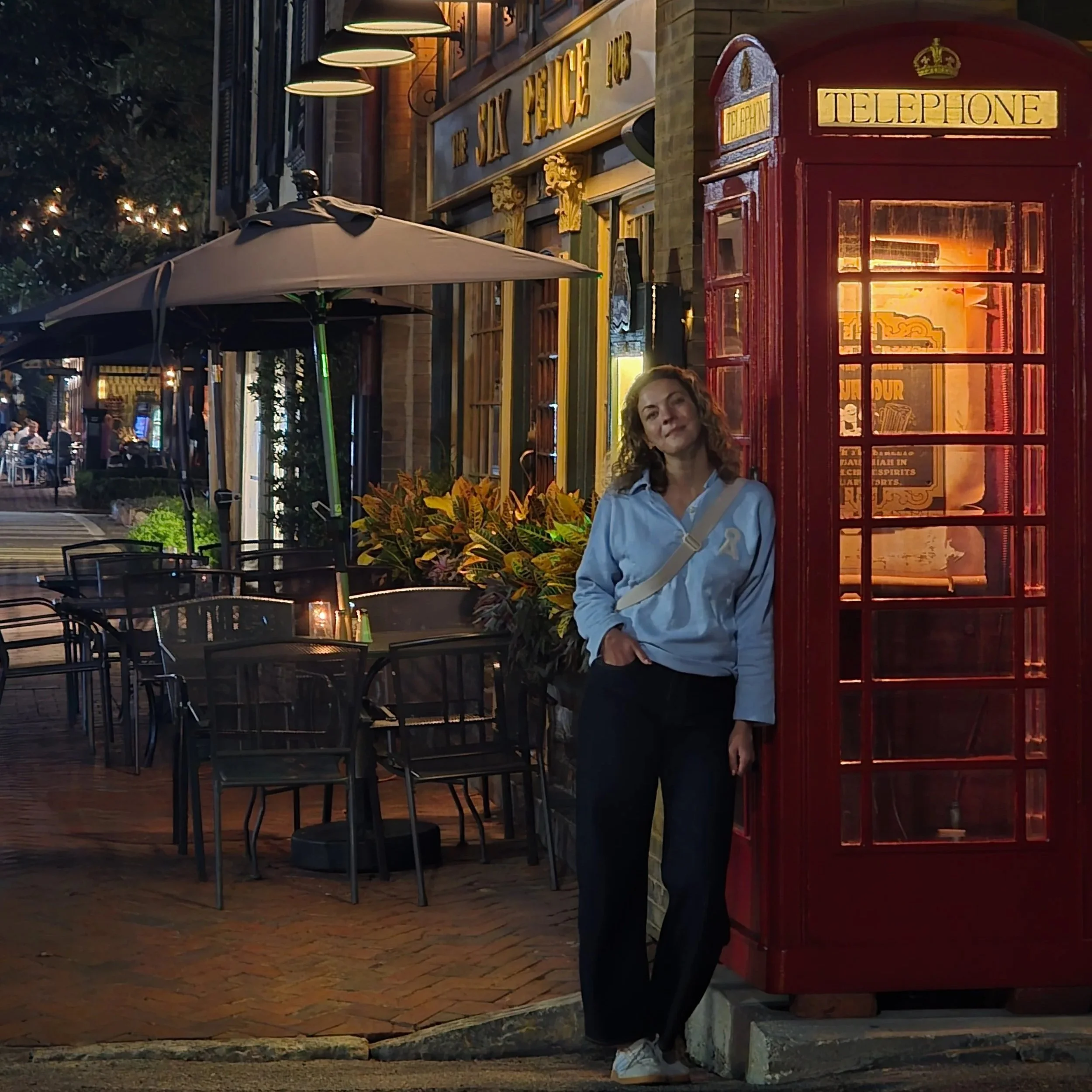
La sera andiamo a Savannah. È una bella cittadina, la più antica della Georgia e un tempo la sua capitale. Dal suo porto partiva gran parte delle merci della regione, soprattutto il cotone.
La città fu fondata nel 1733 da James Oglethorpe e conserva ancora il suo disegno originale: una griglia di strade interrotta da piazze-giardino, che oggi sono 22. Un tempo la chiamavano "Forest City" per le sue grandi querce. Nel dicembre 1864, alla fine della guerra civile, le autorità cittadine trattarono la resa con le truppe del generale Sherman proprio per salvarla dalla distruzione. Per questo il centro storico è arrivato fino a noi.
Andiamo a cena in un ristorante con una terrazza aperta al primo piano, da cui si intravedono gli alberi con il muschio spagnolo. Savannah è una città molto verde e molto caratteristica. Sembra piccola, anche se in realtà non lo è, e ha conservato un'atmosfera da villaggio: case di mattoni, piazze con le fontane, marciapiedi, strade e quartieri dove passeggiare.
A tavola
Ordiniamo due piatti locali: io una bistecca di maiale con patate dolci, che qui tornano spesso; Sally un piatto senza carne. Lei beve una birra, io un bicchiere di vino. Il conto è di 100 dollari. Non era un ristorante particolarmente lussuoso, ma i piatti erano buoni. Un bicchiere di vino costava 14 dollari: buon vino, ma niente di speciale.
Quello che ci sta stupendo di più in questo viaggio, però, è il costo del cibo: dei ristoranti, ma soprattutto delle materie prime. Ci rendiamo conto di quanto sia caro, e difficile, mangiare sano. Taco Bell, McDonald's, Burger King, In-N-Out, alcuni diner: sono posti alla portata di tutti, con cibo di qualità molto bassa ma gustoso. Al supermercato frutta e verdura sono carissime, mentre la carne costa pochissimo. Carne che però arriva da allevamenti intensivi, probabilmente piena di antibiotici, se non di ormoni. Un gallone di succo di frutta costa 9 dollari, mentre una bibita gassata e zuccherata da un litro e mezzo costa poco più di un dollaro. Mangiare sano è possibile, ma solo spendendo molto e cucinando tanto.
Torniamo al camper con questa consapevolezza, e con una decisione: da ora in avanti andremo molto meno spesso al ristorante e cucineremo molto di più nel nostro camper.
Atlanta: dentro la folla
Il giorno dopo partiamo verso Atlanta, dove ci aspetta un rally dei Democratici della Georgia, al quale partecipa anche l'ex presidente Obama. L'evento inizia alle 6 di sera. Noi arriviamo alle 3 e ci mettiamo in coda: una fila infinita che serpeggia tra le macchine parcheggiate fuori dall'edificio. È tutto molto ordinato, le persone sorridono, l'atmosfera è distesa. Sappiamo che l'attesa sarà lunga, ma saperlo fin dall'inizio non ci preoccupa.
A un certo punto arriva la macchina di Obama e la gente lo saluta. Quando tutti capiscono che sta entrando, nasce un'euforia generale e la folla comincia a correre verso l'ingresso, distruggendo la fila ordinata. Prevale la paura di perdere l'inizio.
Sally riesce a entrare. Io mi ritrovo in mezzo alla folla, circondato da transenne, chiuso come in una gabbia. Polizia e sicurezza decidono di non far più entrare la nostra parte di fila, solo quella dal lato opposto. Siamo centinaia, accalcati tra le transenne: ci sono bambini, persone che hanno attacchi di panico, altre che se ne vanno perché non credono più di riuscire a entrare. Io resto lì, fermo, attaccato alla transenna. La tensione è palpabile, la gente è stanca e frustrata. Passano venti minuti senza che entri una sola persona dalla nostra parte.
Lì comincio a preoccuparmi. Basterebbe uno scatto, un movimento improvviso, per scatenare un fuggi-fuggi: chi sta dietro potrebbe cominciare a spingere e creare un'onda umana che ti schiaccia. Così apro un po' la transenna verso l'esterno, per crearmi una via d'uscita nel caso servisse.
Dopo mezz'ora aprono un piccolo varco e ci fanno entrare uno alla volta. Entro anch'io. Non riesco a raggiungere Sally, già seduta da un'altra parte, e guardo il comizio da dove sono. Il comizio era pienissimo di gente, così come lo era stato quello di Trump.
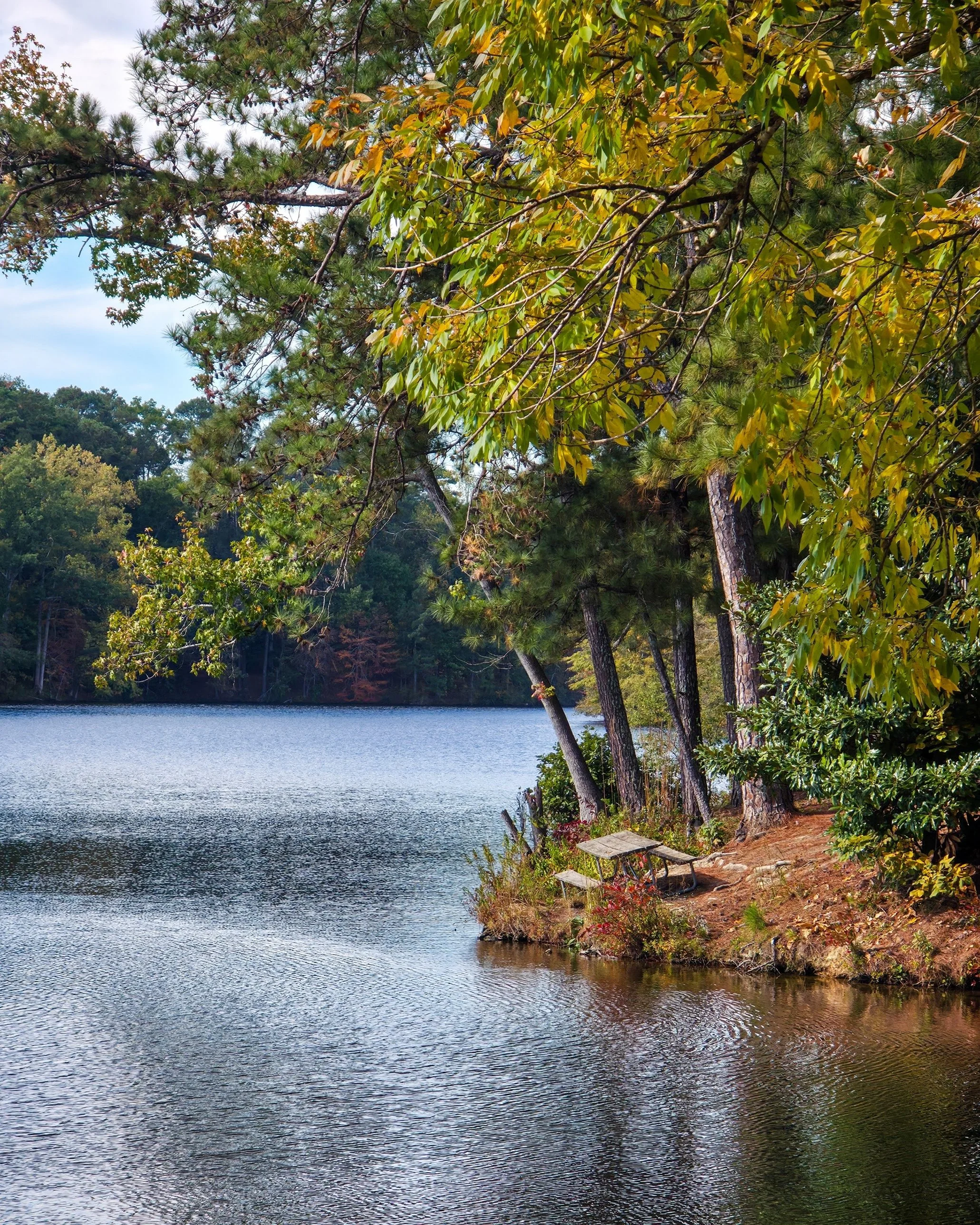
Dopo il comizio torniamo al campeggio e, stanchi, andiamo a letto. La mattina ci svegliamo con il sole e la vista del lago dalla finestra: una vista fantastica, una calma indescrivibile, immersi tra alberi e scoiattoli. Il campeggio che Sally ha scelto si trova infatti all'interno di una riserva naturale. Bisogna dirlo: Sally ha un grandissimo talento nel trovare campeggi fantastici.
English
With Florida behind us, which I told you about in the previous stop, we head towards Savannah, the oldest city in Georgia and its first capital.
The drive into Georgia is fascinating. The landscape changes: fewer palm trees, more woodland, and in some of the treetops the autumn foliage is already showing, with beautiful contrasts of colour.
We decide to leave the highway, straight, boring and always the same, and lose ourselves on the roads that link the towns. The United States we are experiencing is like this: endless land full of vegetation, crossed by roads connecting villages that are sometimes just four or five houses scattered along the roadside. In Europe we are used to small clusters, villages that have at least a grocery shop, a bar, somewhere to meet. Here we saw many villages that are nothing more than a handful of houses, often quite far apart.
On the horizon, as we travel in the camper, elevated water towers appear, some freshly painted, others rusty. Besides the weight of the water, they carry the weight of the passing years. They are cinematic: they remind us of the Hollywood America we saw on screen as children or growing up. They have a romantic, special effect on us. Freedom.
The village along the railway
We stop in Bartow, a village on the way to Savannah. The water tower still reads "Bryant's Gin": it is the name of the village cotton gin, which has been working beside the railway for about a century. With a little research, I found out that in 2020 Bartow had just 186 inhabitants. Besides the water tower, what catches our attention is a long, almost disused railway running past old red-brick buildings with wooden roofs, probably once government buildings.
We park the camper and walk along the tracks. We come across a row of single-storey buildings, one attached to the next, facing the railway: one was a bar, another must have been a shop. Inside the bar everything is ruined, the beams have fallen in, but an old jukebox from that era is still there, still carrying the festive feeling you could once enjoy in that place. It looks a lot like the Wild West. Next door is the post office, its sign still in place. The only building still in use, in this row of abandoned houses, is a renovated bank.
Walking back to the camper, we talk to an elderly man selling fruit and vegetables. He is a veteran: he served in the army for twenty years, then retired here, to a village full of calm and quiet. He tells us that after the Great Crash of 1929 the village lost its former glory, back when it was a key stop for freight trains heading to the port of Savannah.
The first cotton
We set off again towards the campsite, a horse and pony farm a quarter of an hour from downtown Savannah. Along the road the first white fields appear, immense, as far as the eye can see. We are amazed: it is the first cotton we have come across.
We wear cotton every day; it is part of our daily lives. On this land, though, it takes on a completely different meaning, because it reminds us of all the harm human beings have inflicted on other human beings: the history of slavery.
We stop to touch it, this cotton that passed through hands far less fortunate than ours, hands forced by the greed of others to pick it under the scorching sun, in the biting cold or in the endless rain. It is so soft to the touch you would almost want to eat it. It is hard to believe that such a soft plant brought, through human choices, so much pain. To the eye, it immediately recalls the indelible stain of slavery.
We get back in the camper and reach the campsite, Red Gate Farms. Fantastic: peace, horses, donkeys, goats, greenery and a fire pit. Above us, huge oaks draped with Spanish moss. Despite its name, it is not a moss: it is a plant from the same family as the pineapple, the bromeliads. It has no roots and is not a parasite: it rests on the branches and absorbs water and nutrients straight from the air and the rain. Our first evening ends like this, around a campfire.
Savannah
The next day we get up for a day of remote work. Or rather, a day that should be devoted to remote work, because it begins with an important realisation: without a good internet connection, keeping our jobs going from a distance is practically impossible.
Perhaps for the first time on this trip, we face the reality of anyone who works remotely: depending on the connection. Far be it from me to complain. I am lucky enough to write this blog from the United States, from a campsite, during a stop on this road trip. At the same time, I have to admit that the morning I am telling you about was truly frustrating. Knowing you are wasting time through a lack of personal organisation, losing three hours on a job that should take half an hour, and knowing what you are giving up beyond the computer screen: nature, walks, fresh air, unforgettable experiences. It stings, it annoys you, it leaves you frustrated.
It was the first time, and that is exactly why it was interesting.
In the evening we go into Savannah. It is a lovely small city, the oldest in Georgia and once its capital. Much of the region's goods were shipped from its port, above all cotton.
The city was founded in 1733 by James Oglethorpe and still keeps its original layout: a grid of streets broken up by garden squares, 22 of them today. It used to be called the "Forest City" for its great oaks. In December 1864, at the end of the Civil War, the city authorities negotiated the surrender to General Sherman's troops precisely to save it from destruction. That is why its historic centre has survived to this day.
We have dinner at a restaurant with an open first-floor terrace, from which we can glimpse the trees hung with Spanish moss. Savannah is a very green city, full of character. It seems small, even though it isn't, and it has kept a village feel: brick houses, squares with fountains, sidewalks, streets and neighbourhoods made for walking.
At the table
We order two local dishes: a pork steak with sweet potatoes for me, which come up often here; a meat-free dish for Sally. She has a beer, I have a glass of wine. The bill comes to 100 dollars. It wasn't a particularly fancy restaurant, but the food was good. A glass of wine cost 14 dollars: good wine, but nothing special.
What is surprising us most on this trip, though, is the cost of food: restaurants, but above all groceries. We realise how expensive, and how hard, it is to eat healthily. Taco Bell, McDonald's, Burger King, In-N-Out, some diners: they are within everyone's reach, with very low-quality but tasty food. At the supermarket, fruit and vegetables are very expensive, while meat costs very little. Meat that comes from intensive farming, though, probably full of antibiotics, if not hormones. A gallon of fruit juice costs 9 dollars, while a 1.5-litre bottle of sugary soda costs just over a dollar. Eating healthily is possible, but only by spending a lot and cooking a lot.
We go back to the camper with this realisation, and a decision: from now on we will eat out far less often and cook much more in our camper.
Atlanta: inside the crowd
The next day we leave for Atlanta, where a rally by the Georgia Democrats awaits us, with former President Obama also taking part. The event starts at 6 p.m. We arrive at 3 and join the queue: an endless line winding between the cars parked outside the building. Everything is very orderly, people are smiling, the atmosphere is relaxed. We know the wait will be long, but knowing it from the start doesn't worry us.
At some point Obama's car arrives and people wave. When everyone realises he is going in, a general euphoria takes over and the crowd starts running towards the entrance, breaking up the orderly queue. The fear of missing the start wins.
Sally manages to get in. I find myself in the middle of the crowd, surrounded by barriers, shut in as if in a cage. Police and security decide to stop letting our side of the queue in, only the side opposite. There are hundreds of us, packed between the barriers: there are children, people having panic attacks, others leaving because they no longer believe they will get in. I stay there, still, pressed against the barrier. The tension is palpable, people are tired and frustrated. Twenty minutes go by without a single person getting in from our side.
That is when I start to worry. One sudden move would be enough to set off a stampede: those at the back could start pushing and create a human wave that crushes you. So I open the barrier slightly outwards, to make myself a way out in case it is needed.
After half an hour they open a small gap and let us in one at a time. I get in too. I can't reach Sally, who is already seated elsewhere, so I watch the rally from where I am. The rally was packed, just as Trump's had been.
After the rally we go back to the campsite and, tired, go to bed. In the morning we wake up to sunshine and a view of the lake from the window: a fantastic view, an indescribable calm, surrounded by trees and squirrels. The campsite Sally chose is inside a nature reserve. It has to be said: Sally has a great talent for finding fantastic campsites.
Luca Axel D'Urso · Co-fondatore / Co-founder
Leggi gli altri articoli di Luca / More stories by Luca · Chi è Luca / Meet Luca
