
di Luca Axel D’Urso
Sweet Home Alabama
Per uscire dalla Georgia scegliamo le strade dei villaggi. Vogliamo usare l'autostrada il meno possibile, perché quello che abbiamo vissuto finora, strada dopo strada, è stato emozionante: gli incontri con le persone e i paesaggi. Così entriamo in Alabama da una strada secondaria, e ad accoglierci c'è un grande cartello: Sweet Home Alabama.
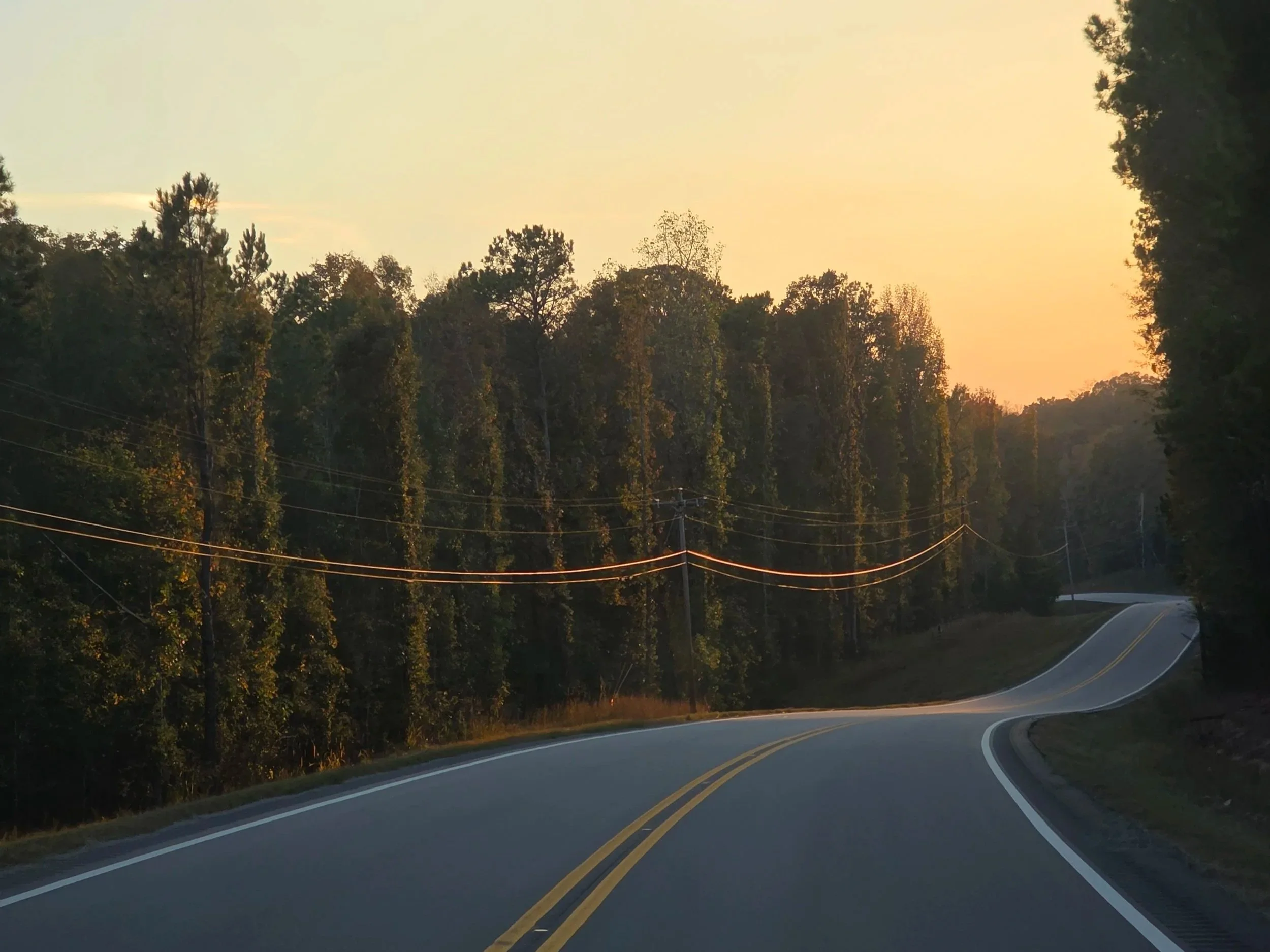
Man mano che ci dirigiamo verso nord-est, la vegetazione cambia e prende una connotazione quasi nordica, più boschiva. Il foliage aumenta: in Alabama gli alberi con le foglie arancioni, gialle e rosse sono molti di più che in Georgia. Il contrasto dei colori è impressionante. Le strade sono fantastiche: tenute benissimo, larghe, vuote, avvolte dalla vegetazione. Il grigio dell'asfalto contro i colori vivi del bosco, e la doppia linea continua gialla che richiama il colore delle foglie.
Una cosa però ci lascia a bocca aperta, attraversando la Georgia e l'Alabama: la grandissima quantità di animali morti lungo le strade. Ne vediamo tantissimi, dai daini ai tassi, dagli opossum agli armadilli: davvero di tutto.
Il sole è alto, il cielo è azzurro: una giornata perfetta per entrare in un nuovo stato.
Fermata dinner direzione prattville
Ci dirigiamo verso Prattville, dove Sally ha trovato una festa: una parata di zucche.
Lungo il tragitto abbiamo fame e vogliamo fermarci a mangiare qualcosa. Lungo la strada troviamo un dinner in pieno stile Americano, non siamo grandi amanti degli hamburger siccome Sally è vegetariana e io intollerante al glutine, nonostante questo la curiosità di vivere da vicino ciò che la gente del posto vive è maggiore dell'appetito.
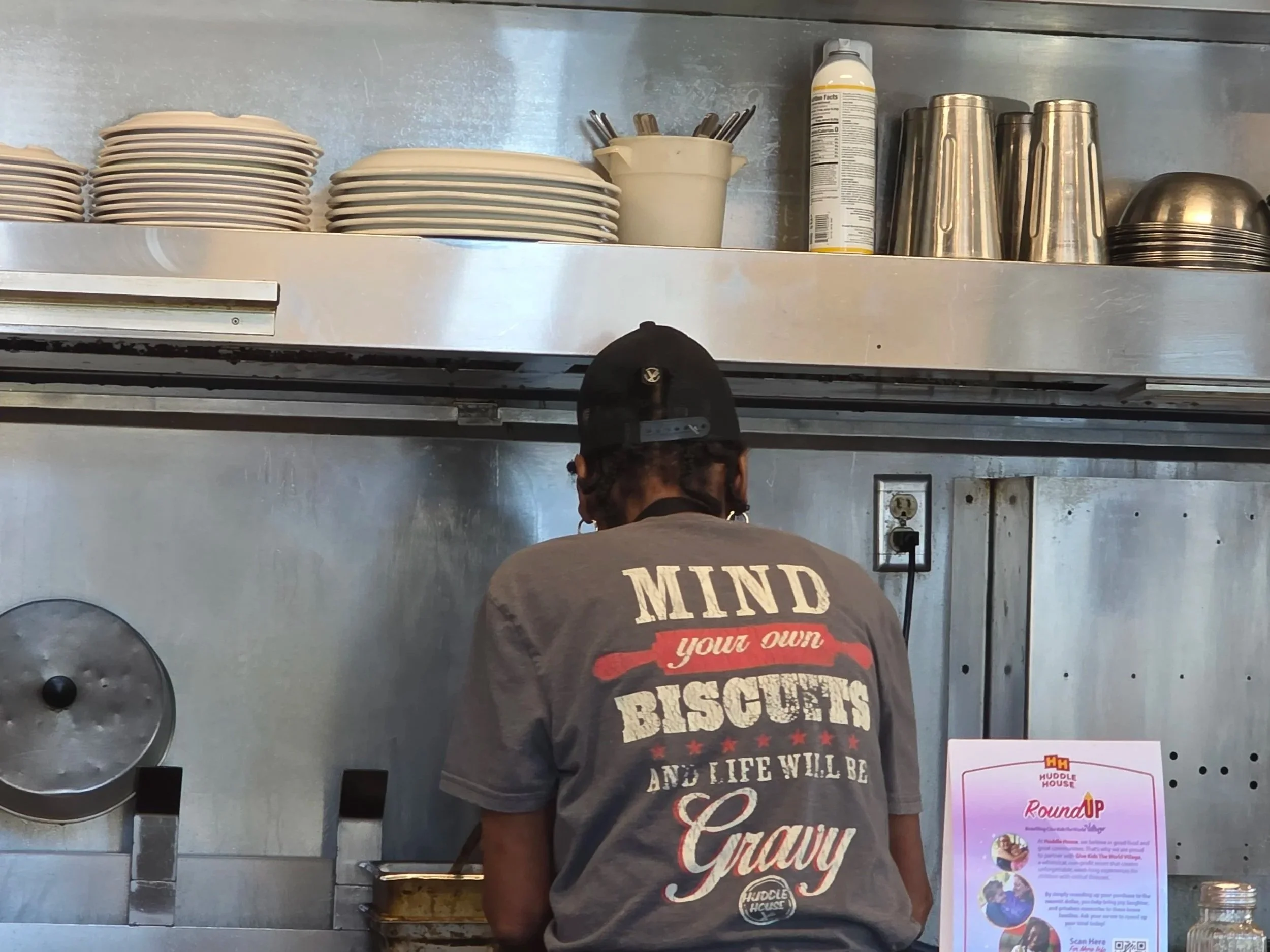
Entriamo nel dinner ed ad accoglierci c'è un odore pervasivo di olio esausto: è ovunque, attaccato alle pareti, alle finestre che filtrano i raggi del sole dall'esterno evidenziando gli aloni del detergente usato di fretta per cercare di pulire il vetro, è attaccato alle poltrone, ai tavoli unti, sui menù. Nonostante questo decidiamo di restare. Sally comanda delle polpette di galapeno fritte (che coraggio xD) e io un petto di pollo in insalata di pomodori. Il piatto di Sally è chiaramente abbastanza pesante, il mio è sorprendentemente buono. Siamo seduti al tavolo, sulle panche di legno, a dividerci dagli altri clienti ci sono le separazioni tra un tavolo e l'altro, ma possiamo intravedere gli altri clienti. Ci sono lavoratori in pausa pranzo che sorseggiano un caffè aspettando il pranzo, coppie di uomini e donne fortemente in sovrappeso che arrivano al parcheggio con grossi PickUp, mangiano di fretta un hamburger e pagano con banconote da un dollaro stropicciato, dietro di noi c'è un uomo sulla quarantina, curvo sul tavolo che dorme assuefatto da droghe probabilmente sintentiche e a basso prezzo. Al bancone una ragazza bionda, giovane, avrà circa 20 anni, è molto gentile e ci serve con estrema attenzione: non penso passino molti stranieri da questi tavoli. Usciamo dal dinner con l'odore di olio esausto appiccicato sui vestiti e il pensiero che va inevitabilmente alla giovane commessa, noi uscendo dal dinner ci dirigiamo verso la prossima destinazione, lei uscita dal dinner tornerà in una delle case che circondano l'agglomerato e il giorno dopo tornerà a servire ai tavoli del dinner tra i volti tristi dei clienti stanchi da un sogno americano non realizzato e i tavoli unti di olio esausto. Questa tappa ci lascia molta tristezza e consapevolezza della grandezza, vastità e della povertà della periferia Americana. Siamo in Alabama, direzione Prattville.
Arriviamo a Prattville e l'atmosfera è festosa, familiare. Parcheggiamo il camper e raggiungiamo la distesa di prato dove sono esposte le zucche. È pieno di famiglie con bambini, di etnie e culture diverse.
Non è l'Alabama che mi aspettavo. Nell'immaginario comune c'è l'idea di un'Alabama rurale e contadina, fatta di farmer bianchi con la barba, la camicia a quadretti e il pick-up. L'unica cosa che troviamo davvero sono i pick-up, ma quelli in America sono ovunque. Qui invece c'è un ambiente familiare, pieno di sorrisi, giochi, street food, gelati e musica. Passeggiamo tra le zucche decorate dalle scuole della zona.
Wonderwall in un bar dell'Alabama
Poi entriamo in un bar. Sulla porta, per la prima volta, leggiamo un cartello che vieta di entrare con armi da fuoco: per noi europei è qualcosa che lascia sempre un po' perplessi.
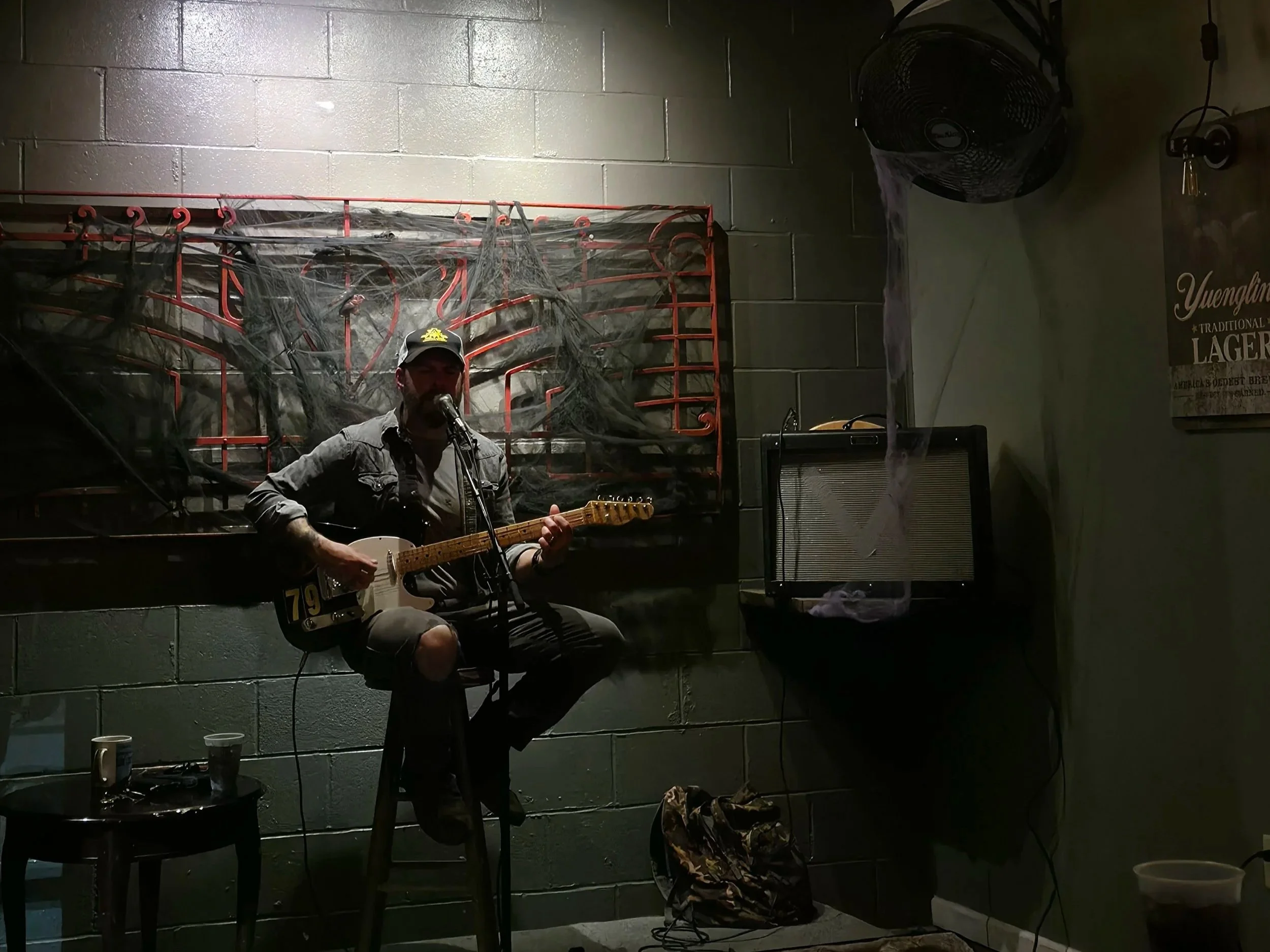
Dentro l'atmosfera è particolare. Nell'angolo a sinistra un cantante suona la chitarra: tatuaggi sulle dita, un cappellino con la visiera che gli mette il viso in ombra, tanto che non si capisce quanti anni abbia (ipotizziamo 36 o 37), un buco nei jeans sul ginocchio destro, una birra appoggiata sul tavolino. Suona molto bene, e la sua voce graffia sulle note della chitarra. Al bancone un paio di persone ci guardano incuriosite quando entriamo: credo sia subito chiaro, anche dal modo di vestire, che non siamo della zona.
Ci sediamo a un tavolo alto. Sally ordina una birra, io una Red Bull senza zucchero. Ci godiamo lo spettacolo finché il musicista si rivolge a noi: ci chiede da dove veniamo, chi siamo, cosa facciamo, e se c'è una canzone che vogliamo sentire. Non rispondiamo immediatamente e qualcuno da dietro urla Wonderwall degli Oasis, io e Sally ci guardiamo sorridendo, è una canzone che ritorna spesso nella nostra coppia. A fine concerto, mentre fa una pausa, andiamo a salutarlo e ringraziarlo, e chiacchieriamo un po' con lui.
Piazzola 112
Sono le 22:30, per noi è tardi. Dobbiamo decidere se dormire nel parcheggio del paese o andare al campeggio scelto in precedenza. Scegliamo il campeggio. Arriviamo: nessun check-in, nessuno ci risponde più, ma la sbarra è aperta. Entriamo, cerchiamo tra le piazzole, ci sistemiamo nella 112, attacchiamo luce e acqua e andiamo a dormire.
La mattina dopo ripartiamo presto verso il Mississippi, ma ci fermiamo all'ufficio per avvisare che la sera prima eravamo entrati senza pagare, perché non c'era nessuno. Il signore anziano è stupito della nostra onestà e ci ringrazia. Ci dice che inserire la prenotazione della notte precedente sarebbe una pratica troppo lunga, di non preoccuparci, e ci congeda senza farci pagare. Un bell'esempio di come l'onestà ripaga sempre.
Mississippi: fumo di barbecue e una spiaggia tutta per noi
Ci dirigiamo verso Biloxi. Pensavamo fosse un piccolo villaggio, per quanto possa essere piccolo un villaggio negli Stati Uniti. Invece arriviamo in una cittadina sul mare abbastanza grande, piena di casinò, con un'aria un po' retrò, anni '80: sembra la classica località di villeggiatura dove vanno in vacanza gli statunitensi. Qui ci imbattiamo in un festival del barbecue e dello smoky grill.
Anche qui c'è il dolcetto o scherzetto, ma con i pick-up, e tutto intorno ci sono stand e mercatini di cibo. Purtroppo non ho la possibilità di assaggiare la smoked meat: la stanno preparando per il giorno dopo, il 31, quando ci sarà la gara tra i grigliatori. Stanno già affumicando dalla sera prima, così l'aria profuma di grill, ma da mangiare non c'è ancora niente.
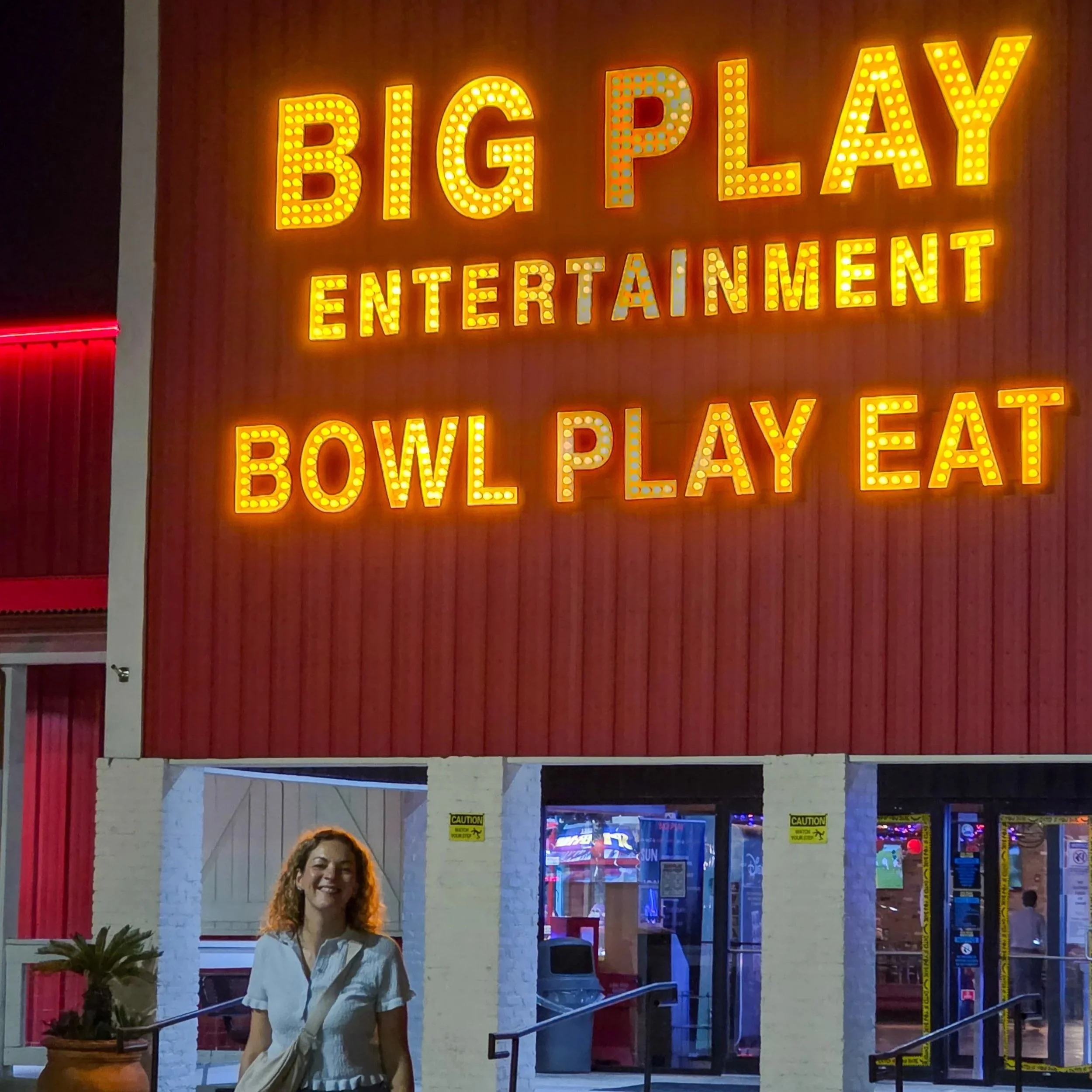
Poi ci dirigiamo verso Walmart per comprare alcune cose, e lungo la strada ci imbattiamo in una sala da bowling. E cosa c'è di meglio di una bella partita di bowling negli Stati Uniti?
Ci dirigiamo verso il nostro campeggio, un parcheggio lungo l'oceano, e dopo cena andiamo a letto.
La mattina ci svegliamo vicino all'oceano, e la prima cosa che facciamo è andare a mettere i piedi sulla spiaggia. Sabbia bianca, finissima, e nessuno che la cammina o la attraversa. La spiaggia è immensa, come un po' tutto qui negli Stati Uniti, e la calpestiamo solo noi e i gabbiani, che di mattina riposano e sembrano piuttosto infastiditi dalla nostra presenza. Mi sento davvero libero, e decido di correre sulla spiaggia, spensierato.
Verso le 11 ripartiamo, direzione New Orleans.
New Orleans: la notte di Halloween
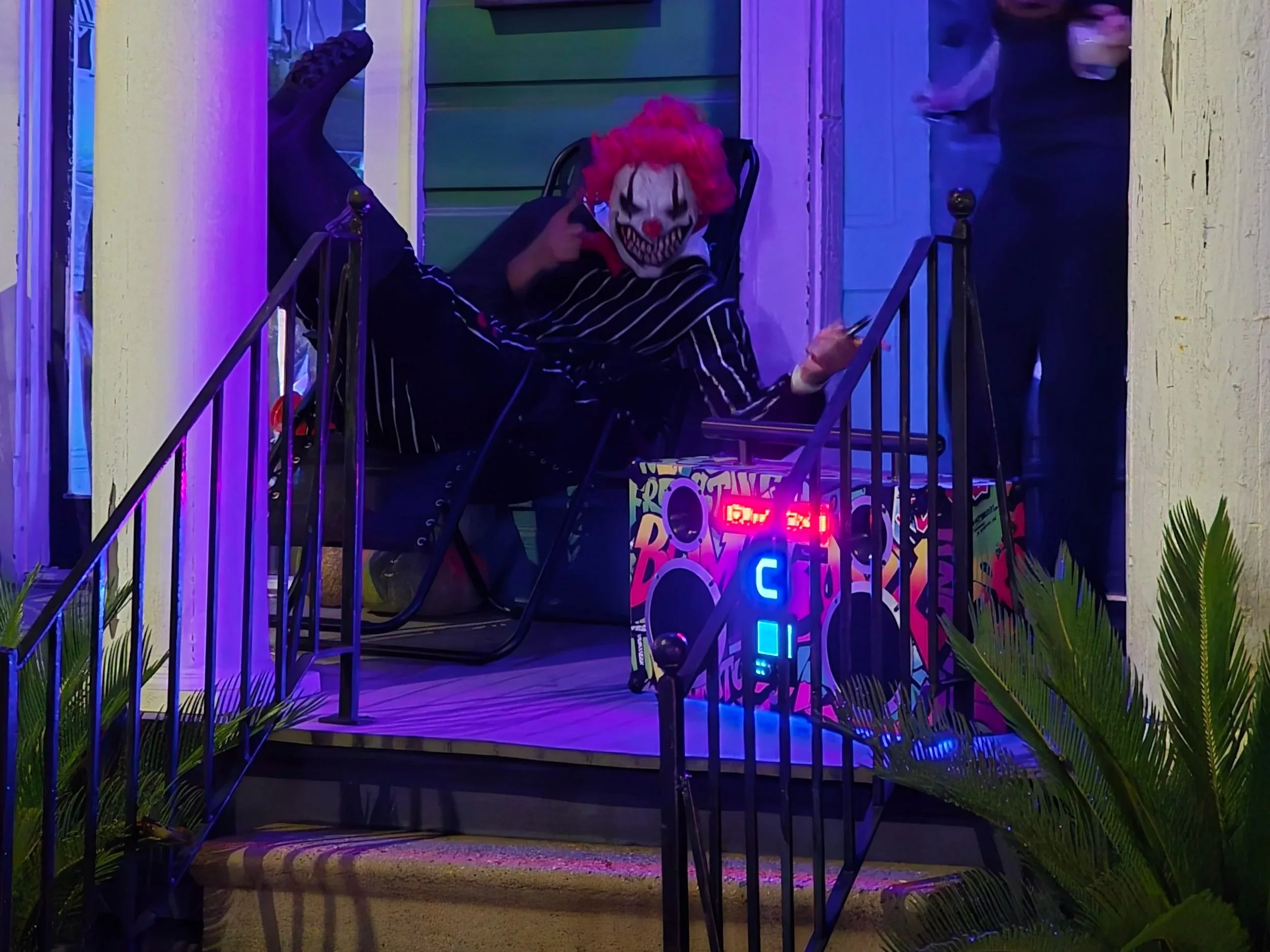
Arriviamo a New Orleans sabato 31 ottobre, nel pomeriggio. Ci sistemiamo in un campeggio che in realtà è un parcheggio, a 20 minuti a piedi da Frenchmen Street, la via del jazz e della vita notturna. Ci prepariamo per uscire, ma per la prima volta in questo viaggio comincia a piovere a dirotto. Il cielo non ne vuole sapere di schiarirsi: sembra che ci buttino secchi d'acqua sul camper. Decidiamo allora di riposare. Questo viaggio è molto intenso. Guidiamo tanto. Quando non guidiamo, lavoriamo. E Sally lavora pure mentre io guido. Siamo stanchi, e ne approfittiamo per dormire.
Ci svegliamo verso le sei di sera e per fortuna piove meno. È la notte di Halloween e siamo a New Orleans. Usciamo e ci incamminiamo verso Frenchmen Street. Si racconta che la via prenda il nome da alcuni francesi giustiziati dagli spagnoli nel 1769, dopo una rivolta. Dagli anni '80 è diventata il cuore pulsante della città per la musica, gli artisti di strada e il jazz.
Alle sei e mezza le strade sono quasi vuote, e questo ci stupisce molto: è Halloween, una festa molto sentita dagli statunitensi. Solo un paio d'ore dopo capiamo che eravamo semplicemente arrivati troppo presto. Le strade diventano un fiume in piena, i costumi sono deliranti, uno più strano dell'altro: è un carnevale a cielo aperto a tema Halloween, tra mostri, orrore, pagliacci e chi più ne ha più ne metta.
Una città che trasuda jazz
L'atmosfera di New Orleans è fantastica, festosa. C'è musica ovunque, e non solo perché è il 31 ottobre: la musica è nelle viscere della città, ogni mattone trasuda jazz. Le strade sono raggianti, delineate da case colorate e balconi sporgenti in ferro battuto. Dai vicoli esce musica jazz. Tra una casa e la sua vicina si aprono piccole fessure, passaggi che sfociano in cortili interni con piante verdi, sedute basse e jazz, spesso dal vivo, a volte dalle casse.
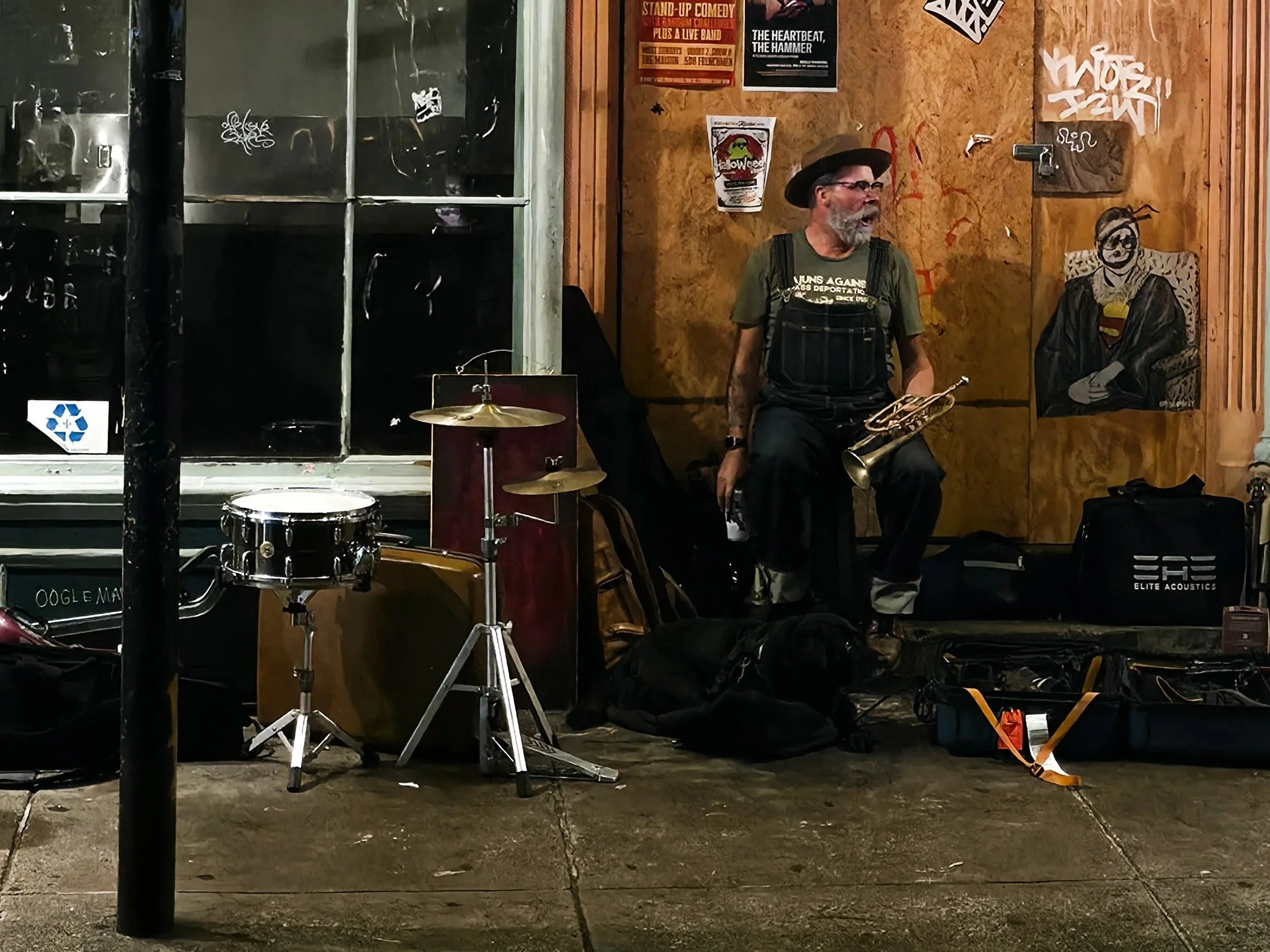
Agli angoli delle strade ci sono gallerie d'arte, dalla pop art all'arte urbana all'arte contemporanea: ce n'è davvero per tutti i gusti. È una città viva, che pulsa, con una grande comunità LGBTQ e tanti sorrisi. Tanto jazz, tanti bar, odori di canapa e di cibo di strada. Immaginarsi una vita a New Orleans è particolare: sembra davvero di vivere in un'altra dimensione. Si respira questa energia artistica nelle strade, mentre cammini, mentre bevi un caffè.
Ci fermiamo in un bar ad ascoltare una band con una frontwoman. Lei è bravissima, sono tutti bravissimi: batteria, chitarra, seconda voce, l'immancabile tromba e il sassofono. Lei è alta forse un metro e sessanta, o anche meno, ma ha un'energia così forte da tenere in pugno un locale con più di cento persone.
Verso le dieci usciamo per tornare al campeggio. Vogliamo andare a letto presto per goderci New Orleans la mattina appena svegli, senza tutto il caos di Halloween. Ma ogni vetrina, ogni strada richiama la nostra attenzione. Arriviamo al campeggio solo a mezzanotte, dopo esserci fermati in altri bar, in librerie, gallerie d'arte, locali dove si fa cartomanzia, e posti dove ragazze afroamericane ci raccontano la cultura voodoo.
Viaggiare nel tempo
La mattina dopo ci svegliamo alle sette e mezza, molto stanchi. Solo nel pomeriggio ci accorgiamo che qui le lancette sono tornate indietro di un'ora. Questo di sicuro non ci ha aiutato. Ora la differenza con casa è di sette ore: a Miami erano sei, poi sono diventate cinque con il cambio d'ora in Europa, di nuovo sei entrando in Mississippi e ora sette con il cambio d'ora in Louisiana. Come dicevo nel primo articolo di questo viaggio, su Miami, sembra di viaggiare nel tempo. E a New Orleans sembra di viaggiare nel tempo in tutti i sensi.
È una città bella. Le piazze sono belle, le ringhiere e i lampioni sono in ferro battuto, alcuni con la fiamma a gas ancora accesa all'interno: un'atmosfera magica. Costeggiamo il Mississippi, questo fiume immenso che dà il nome anche allo stato che abbiamo appena attraversato.
In mattinata andiamo al French Market, dove troviamo vari artigiani e compriamo alcuni vinili e qualche souvenir per i nostri cari. Dopo un caffè torniamo al campeggio, dove ci aspetta il camper: purtroppo dobbiamo ripartire, ma ci aspetta una nuova bellissima tappa, il Texas. Prima, però, c'è una visita importante che non vogliamo perdere: la Whitney Plantation.
English
Sweet Home Alabama
To leave Georgia we take the village roads. We want to use the highway as little as possible, because what we've lived so far, road after road, has been moving: the people we've met and the landscapes. So we enter Alabama on a back road, welcomed by a big sign: Sweet Home Alabama.
As we head north-east, the vegetation changes and takes on an almost northern, more wooded feel. The foliage grows: in Alabama there are many more trees with orange, yellow and red leaves than in Georgia. The contrast of colours is striking. The roads are fantastic: perfectly kept, wide, empty, wrapped in greenery. Grey asphalt against the vivid colours of the woods, and the double solid yellow line echoing the colour of the leaves.
One thing, though, leaves us open-mouthed as we cross Georgia and Alabama: the huge number of dead animals along the roads. We see so many, from deer to badgers, from opossums to armadillos: truly everything.
The sun is high, the sky is blue: a perfect day to enter a new state.
Dinner stop on the way to Prattville
On the way, we’re hungry and want to stop for a bite to eat. Along the road, we come across a diner in true American style. We’re not big fans of hamburgers—since Sally is a vegetarian and I’m gluten-intolerant—but despite that, our curiosity to experience firsthand what the locals go through is stronger than our appetite.
We walk into the diner and are greeted by a pervasive smell of burnt oil: it’s everywhere—clinging to the walls, to the windows that let in the sun’s rays from outside, highlighting the streaks left by the cleaner hastily used to try to wipe the glass clean; it’s on the armchairs, the greasy tables, and the menus. Despite this, we decide to stay. Sally orders some fried jalapeño meatballs (what a brave move xD) and I order chicken breast with tomato salad. Sally’s dish is clearly quite heavy, while mine is surprisingly good. We’re seated at a table on wooden benches; the partitions between the tables separate us from the other customers, but we can still catch glimpses of them. There are workers on their lunch break sipping coffee while waiting for their meal, severely overweight couples—men and women—who pull into the parking lot in big pickup trucks, hurriedly eat a hamburger, and pay with crumpled one-dollar bills; behind us is a man in his forties, slumped over the table, sleeping, likely high on cheap, synthetic drugs.
At the counter, a young blonde girl—she must be about 20—is very kind and serves us with great care: I don’t think many foreigners stop by these tables. We leave the diner with the smell of used oil clinging to our clothes and our thoughts inevitably turning to the young waitress; as we leave the diner, we head toward our next destination; she, having left the diner, will return to one of the houses surrounding the settlement, and the next day she’ll be back serving tables at the diner amid the sad faces of customers weary from an unfulfilled American dream and the tables greasy with used cooking oil. This stop leaves us with a deep sense of sadness and an awareness of the grandeur, vastness, and poverty of the American suburbs. We’re in Alabama, heading toward Prattville.
We arrive in Prattville, and the atmosphere is festive and family-friendly. We park the RV and walk to the open field where the pumpkins are on display. It’s full of families with children, representing diverse ethnicities and cultures.
“Wonderwall” in a bar in Alabama
Then we walk into a bar. On the door, for the first time, we read a sign forbidding people to come in with firearms: for us Europeans it always leaves us a little puzzled.
Inside, the atmosphere is unusual. In the left corner a singer plays the guitar: tattooed fingers, a cap whose visor shades his face so you can't tell his age (we guess 36 or 37), a hole in his jeans over the right knee, a beer on the little table. He plays very well, and his voice scratches over the notes of the guitar. At the counter a couple of people look at us with curiosity as we walk in: I think it's clear right away, from the way we dress too, that we're not from around here.
We sit at a high table. Sally orders a beer, I order a sugar-free Red Bull. We’re enjoying the show when the musician turns to us: he asks where we’re from, who we are, what we do, and if there’s a song we’d like to hear. We don’t answer right away, and someone in the back yells out “Wonderwall” by Oasis. Sally and I look at each other and smile—it’s a song that comes up often between the two of us.
Campsite 112
It's 10:30 pm, late for us. We have to decide whether to sleep in the town car park or drive to the campground we'd chosen earlier. We choose the campground. When we arrive there's no check-in, nobody answers our messages anymore, but the barrier is open. We drive in, look around the sites, settle into number 112, plug in electricity and water and go to sleep.
The next morning we leave early for Mississippi, but we stop at the office to let them know we had come in the night before without paying, because nobody was there. The elderly man is amazed by our honesty and thanks us. He says entering a booking for the previous night would be too long a process, tells us not to worry, and sends us on our way without charging us. A fine example of how honesty always pays off.
Mississippi: barbecue smoke and a beach all to ourselves
We head to Biloxi. We thought it was a small village, as small as a village can be in the United States. Instead we arrive in a fairly large seaside town, full of casinos, with a slightly retro, eighties feel: it looks like the classic resort where Americans go on holiday. Here we stumble upon a barbecue and smoky grill festival.
Here too there's trick-or-treating, but with pick-up trucks, and all around there are food stalls and little markets. Unfortunately I don't get the chance to taste the smoked meat: they're preparing it for the next day, the 31st, when the pitmasters will compete. They've been smoking since the night before, so the air smells of grill, but there's nothing to eat yet.
Then we head to Walmart to buy a few things, and on the way we stumble upon a bowling alley. And what could be better than a good game of bowling in the United States?
We drive to our campground, a car park along the ocean, and after dinner we go to bed.
In the morning we wake up by the ocean, and the first thing we do is put our feet on the beach. White, very fine sand, and nobody walking on it or crossing it. The beach is immense, like pretty much everything here in the United States, and the only ones on it are us and the seagulls, resting in the morning and rather annoyed by our presence. I feel truly free, and I decide to run along the beach, carefree.
Around 11 we leave again, heading for New Orleans.
New Orleans: Halloween night
We arrive in New Orleans on Saturday 31 October, in the afternoon. We settle into a campground that is really a car park, a 20-minute walk from Frenchmen Street, the street of jazz and nightlife. We get ready to go out, but for the first time on this trip it starts pouring. The sky refuses to clear: it feels like someone is throwing buckets of water on the camper. So we decide to rest. This trip is very intense. We drive a lot. When we're not driving, we work. And Sally works even while I drive. We're tired, and we take the chance to sleep.
We wake up around six in the evening and luckily it's raining less. It's Halloween night and we're in New Orleans. We go out and walk towards Frenchmen Street. The story goes that the street is named after a group of Frenchmen executed by the Spanish in 1769, after a revolt. Since the 1980s it has become the beating heart of the city for music, street artists and jazz.
At half past six the streets are almost empty, and this surprises us a lot: it's Halloween, a holiday Americans really care about. Only a couple of hours later do we realise we had simply arrived too early. The streets become a river in flood, the costumes are wild, each stranger than the last: it's an open-air Halloween carnival of monsters, horror, clowns and everything in between.
A city that breathes jazz
The atmosphere in New Orleans is fantastic, festive. There's music everywhere, and not just because it's the 31st of October: music lives in the city's guts, every brick breathes jazz. The streets are radiant, lined with colourful houses and jutting wrought-iron balconies. Jazz pours out of the alleys. Between one house and the next, narrow gaps open into inner courtyards with green plants, low seats and jazz, often live, sometimes from speakers.
On the street corners there are art galleries, from pop art to urban art to contemporary art: there's truly something for every taste. It's a living, pulsing city, with a large LGBTQ community and lots of smiles. Lots of jazz, lots of bars, smells of cannabis and street food. Imagining a life in New Orleans is strange: it really feels like living in another dimension. You breathe this artistic energy in the streets, as you walk, as you drink a coffee.
We stop in a bar to listen to a band with a frontwoman. She's brilliant, they're all brilliant: drums, guitar, backing vocals, the inevitable trumpet and the saxophone. She's maybe 160 centimetres tall, or even less, but her energy is so strong she holds a room of more than a hundred people in her hand.
Around ten we leave to head back to the campground. We want to go to bed early so we can enjoy New Orleans first thing in the morning, without all the Halloween chaos. But every shop window, every street calls for our attention. We only reach the campground at midnight, after stopping in more bars, bookshops, art galleries, fortune-telling parlours, and places where young African-American women tell us about voodoo culture.
Travelling in time
The next morning we wake up at half past seven, very tired. Only in the afternoon do we realise that the clocks here have gone back an hour. That certainly didn't help. Now the difference with home is seven hours: in Miami it was six, then five when the clocks changed in Europe, six again entering Mississippi, and now seven with the time change in Louisiana. As I said in the first article of this trip, about Miami, it feels like travelling in time. And in New Orleans it feels like travelling in time in every sense.
It's a beautiful city. The squares are beautiful, the railings and streetlamps are wrought iron, some still with a gas flame burning inside: a magical atmosphere. We walk along the Mississippi, this immense river that also gives its name to the state we've just crossed.
In the morning we go to the French Market, where we find various artisans and buy some LPs and a few souvenirs for our loved ones. After a coffee we go back to the campground, where the camper is waiting for us: unfortunately we have to leave, but a beautiful new stop awaits us, Texas. First, though, there's an important visit we don't want to miss: the Whitney Plantation.
